
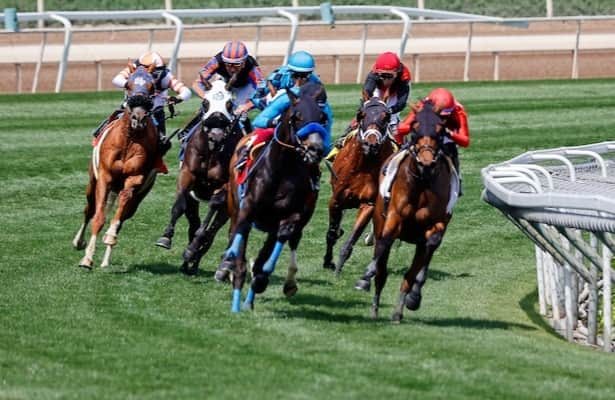
The Future of UK Horse Racing: What Happens When the Races Are Not On?
Horse racing has long been a cherished part of the UK’s cultural and sporting heritage. However, there are times when the races are not on, whether due to weather conditions, regulatory issues, or other unforeseen circumstances. Such events raise significant questions about the future of the sport, its economic viability, and how fans and stakeholders adapt to these changes. One of the key aspects to consider during these pauses in racing is the role of organizations involved in maintaining the equine community, such as the UK horse racing not on GamStop merseysidepolicemounted.uk. This article delves into the factors surrounding non-racing periods and explores the implications for horse racing in the UK.
Historical Context of Horse Racing in the UK
Horse racing in the UK has a storied history, dating back to the 16th century. It has evolved from informal events among aristocrats to a regulated sport with a large following and significant financial implications. Today, major events like the Grand National and Royal Ascot draw countless fans and contribute billions to the economy, through betting, tourism, and related industries.
What Happens When Races Are Not Held?
When the races are not on, whether due to extreme weather, like snow or heavy rainfall, or national events, the entire ecosystem surrounding horse racing is affected. This includes trainers, owners, jockeys, and betting sites that rely on the regular flow of races to maintain their business models. The direct economic implications can be severe, particularly for local communities that thrive on tourism and events surrounding race days.
The Economic Ripple Effect
When racing events are canceled, the economic impact is felt immediately. Local businesses, such as hotels, restaurants, and shops, often see a significant decline in foot traffic and revenue. A single day of racing can draw thousands of visitors, and its absence leads to lost opportunities for many. The horse racing industry itself incurs losses through refunds on bets and reduced betting turnover, further exacerbating the financial strain.

Alternative Activities and Engagements
In times when racing is not an option, the equine community has shown resilience by engaging in alternative activities. Many trainers and horse owners use this time to focus on the fitness and health of their horses, engaging in training routines to keep their horses in peak condition for when racing resumes. Furthermore, promotional activities that do not involve races—such as equestrian shows, training demonstrations, and community events—become essential for keeping the spirit of the sport alive.
Alternative Racing Formats and Innovation
However, the stall of traditional racing opens the door to innovation. Organizers have begun to creatively address the gaps left by canceled races. For instance, virtual racing has gained traction, allowing fans to place bets on digitally rendered races. This alternative not only entertains but also keeps the betting industries alive during lean periods.
Community Engagement Through Social Media
Social media has also played a pivotal role in keeping fans engaged during non-racing periods. Many racing organisations leverage platforms to share training updates, host Q&A sessions with trainers and jockeys, and even provide virtual tours of stables and training facilities. These digital touchpoints ensure that the community remains connected, promoting a sense of continuity despite the lack of live events.
Regulatory and Safety Considerations
Another layer to consider during these downtimes involves regulatory bodies and safety practices. The British Horseracing Authority (BHA) continuously evaluates the impact of cancellations and works to ensure that when racing returns, it does so under the safest conditions possible. Thoroughbred health and safety is paramount; hence, extended breaks often serve to reinforce the need for regulatory compliance and horse well-being.
Lessons Learned and Future Preparations
The interruptions in horse racing also bring valuable lessons. The industry must learn from past experiences to create better contingency plans. Experts might suggest diversifying income streams, investing in technology, and enhancing fan engagement strategies to mitigate risks related to racing interruptions. Developing a more resilient framework could support a sustainable future for the sport.
Conclusion
While the UK horse racing scene holds an extraordinary place in the hearts of many, understanding the dynamics of what happens when the races are not on is critical. The combination of economic impact, community engagement, regulatory considerations, and innovative adaptations highlights the industry’s resilience. Although the racing community faces challenges during these quiet times, it is the unity and adaptability of the participants and stakeholders that pave the way toward a brighter future for horse racing in the UK.